Buying a home that has not been built yet can feel like paying for something you cannot see. The payment schedule is how that risk is shared between you and the developer. Here is how ours works, stage by stage, and what protects your money at each step.
How much do you pay before the building is finished?
At Loggia, 20% of the price plus the reservation deposit, spread across two milestones in the build. The remaining 80% is paid at closing, when the home is finished and you receive the keys. Most Miami developers ask for between 20% and 50% before completion; we keep it at the lower end on purpose.
Stage 1: reservation, $25K
A refundable $25K deposit holds the residence you have chosen for 30 days. During that time the price and the floor are fixed, and you review the purchase agreement with your own lawyer. If you decide not to go ahead within the 30 days, the deposit is returned in full.
Stage 2: contract, 10%
When you sign the purchase agreement, you pay 10% of the price, less the reservation deposit. From this point the deposit is no longer refundable on a change of mind, but it remains protected (see below).
Stage 3: topping out, 10%
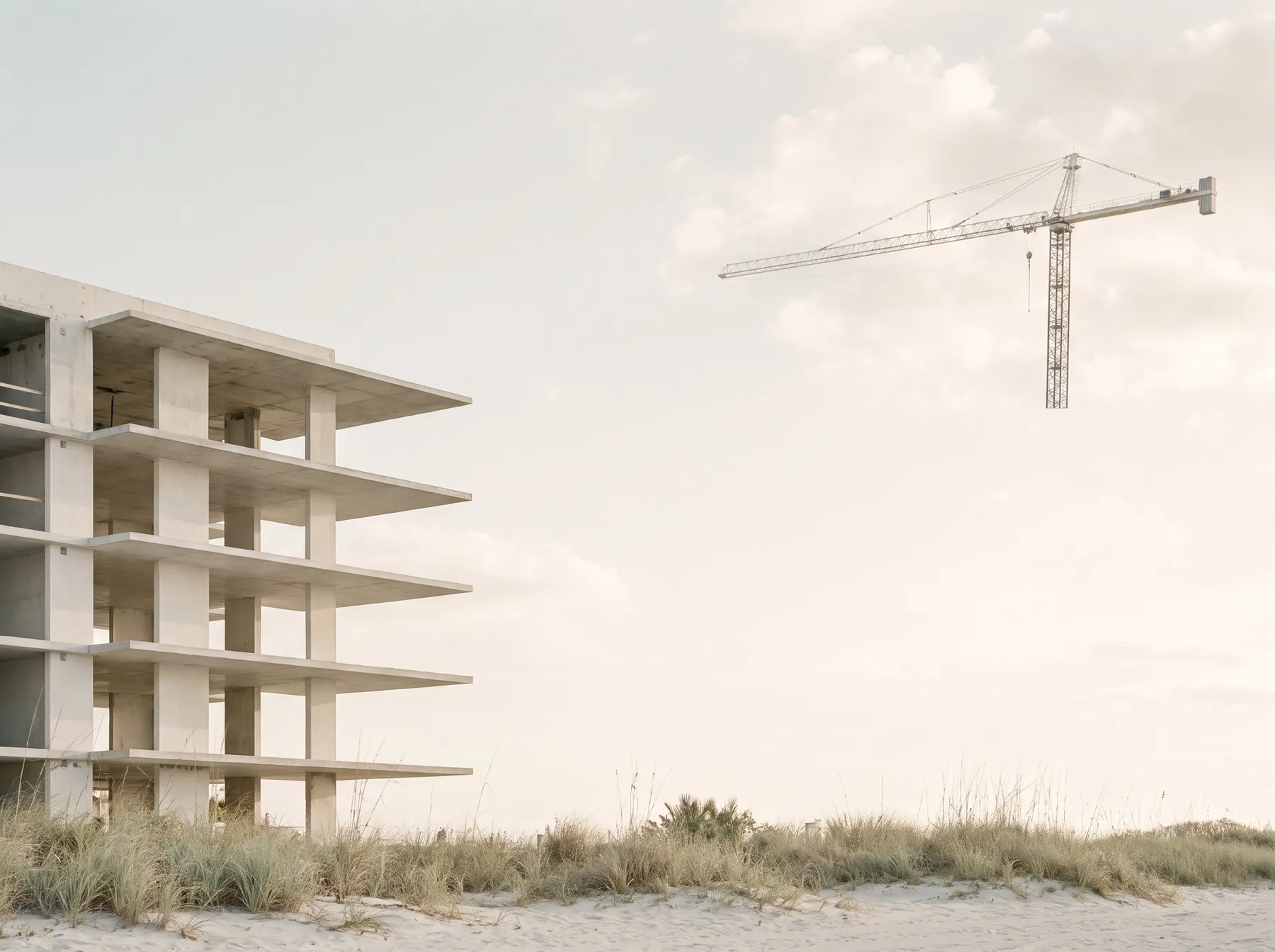
The second payment is due when the structure is complete, at topping out. It is tied to a real milestone on site, not to a date, so if construction runs late, so does your payment. We confirm the milestone with photos and an architect's certificate before the notice goes out.
Stage 4: closing, balance
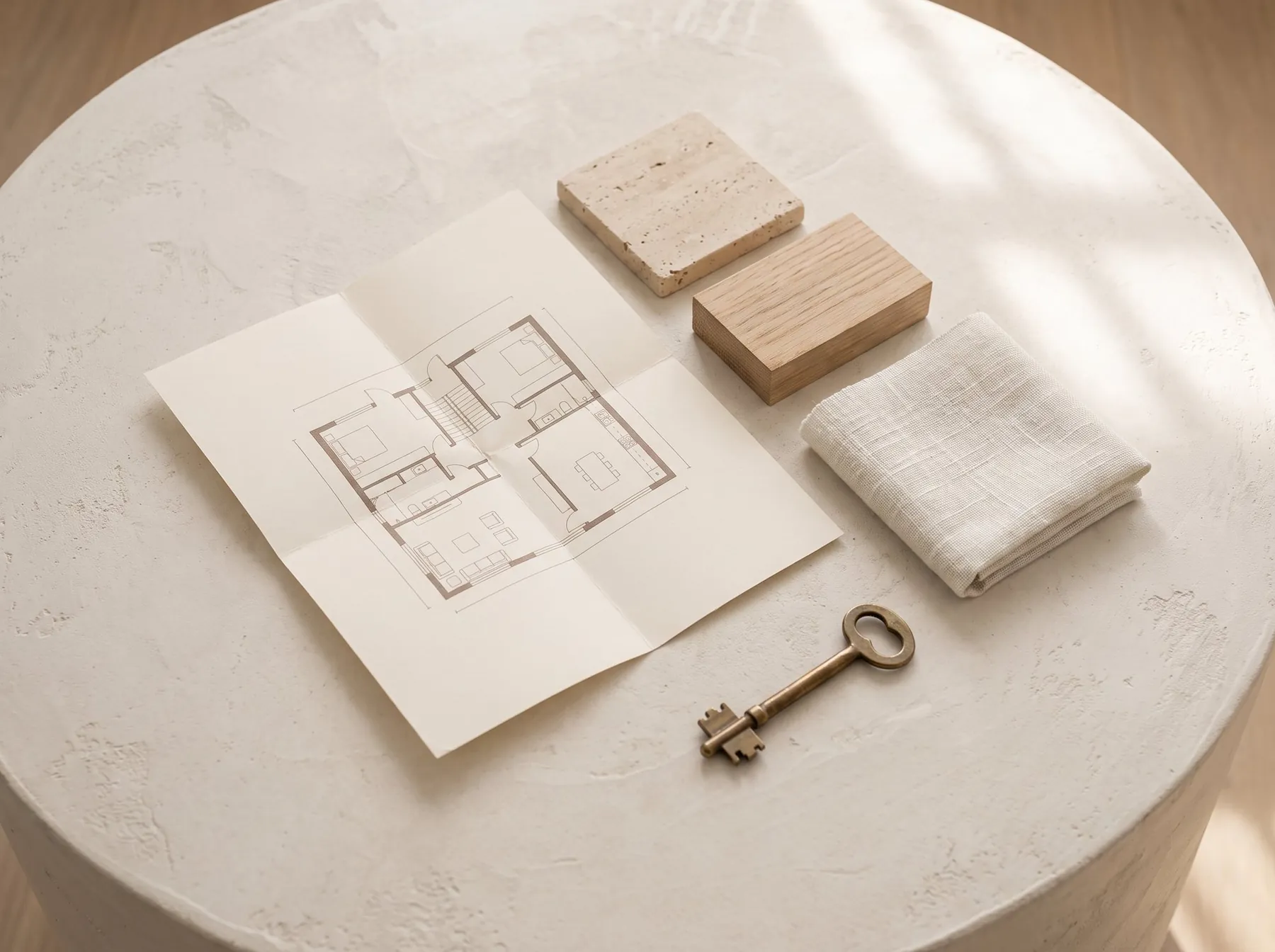
The remaining 80% is due at closing, once the certificate of occupancy has been issued and you have completed the handover walk-through. Most buyers fund this part with a mortgage, arranged in the months before completion.
Every payment is tied to something you can see: a signed contract, a finished frame, a finished home.
Where is the deposit held?
All deposits are held in an escrow account with an independent escrow agent, as required by Florida law for new condominium sales. Deposits above 10% of the price can be used for construction only under the conditions set out in the statute and your contract. Your lawyer will walk you through the exact terms.
What else should you budget for?
- Closing costs: typically 2% to 3% of the price, covering title insurance, recording fees and the lender's costs
- HOA fee: from around $1,100 a month at Grove House, covering the building, the garden pool, concierge and insurance of the common areas
- Property tax: roughly 2% of the assessed value each year in Miami-Dade
- Furniture and window treatments: the curtain pockets are built in; the curtains are yours to choose
Can international buyers follow the same schedule?
Yes. The schedule is the same for every buyer. International buyers usually need a little more time at the contract and closing stages, for lawyers and lenders in two countries, and we plan for that from the first conversation.
What happens if construction is delayed?
Because the topping out and closing payments are tied to milestones rather than dates, a delay moves your payments with it. The contract also sets an outside completion date. If the building is not finished by then, you have the right to cancel and receive your deposits back.
The short version
A $25K refundable reservation, 10% at contract, 10% at topping out and the balance at closing, all held in escrow. If you would like the full price list with closing costs and HOA fees for a specific residence, register interest and we will send it within one business day.
This article is general information, not legal or financial advice. Every purchase is governed by its own contract; always review it with your lawyer.